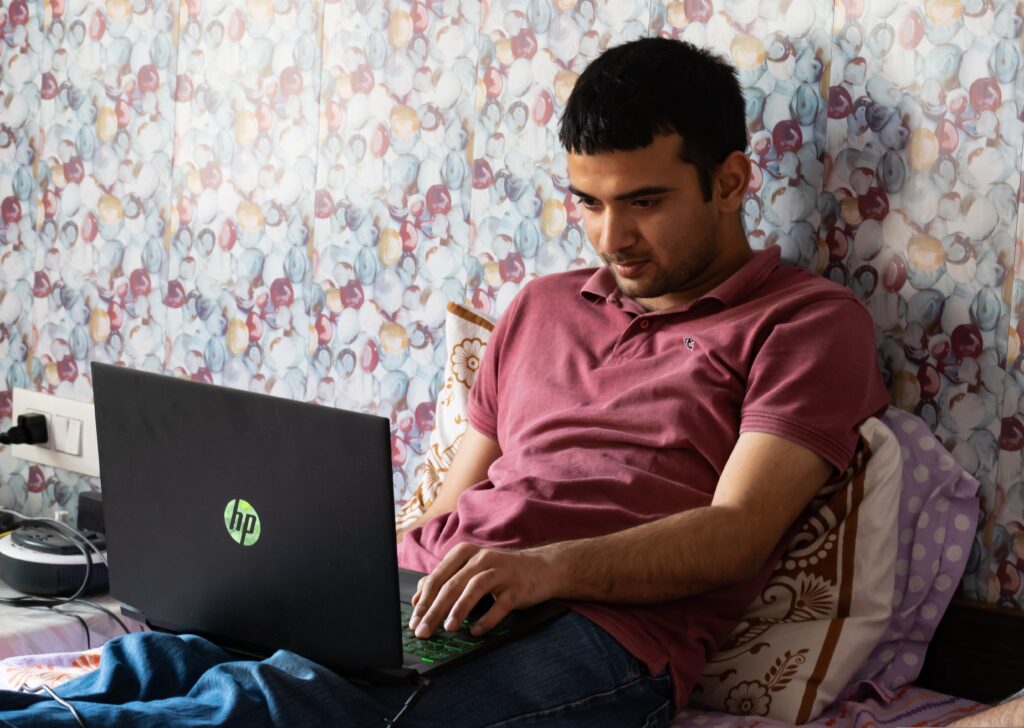
How Long Does It Take to Start Earning Online? (Realistic Timeline for Beginners)
If you’ve ever searched “how to make money online,” you’ve probably seen people claiming they made thousands of dollars in a few weeks.
Honestly, that can make anyone feel pressured.
When I first started looking into online income opportunities, I thought maybe I was doing something wrong because nothing happened quickly. I watched YouTube videos, read blog posts, signed up on freelance platforms, and still didn’t see instant results.
What nobody really tells beginners is this: earning online usually takes time.
For most people, the beginning feels slow. You’re learning new skills, trying to understand platforms, making mistakes, and figuring out what actually works. That’s normal.
The internet is full of success stories, but behind many of those stories are months — sometimes years — of consistency that people rarely talk about.
So, how long does it realistically take to start earning online?
The honest answer is: it depends on what you’re doing and how consistent you are.
Let’s break it down realistically.
The Truth Most Beginners Need to Hear
Making money online is possible, but it’s not magic.
Some people earn their first few dollars within weeks. Others take months before they see meaningful results. That doesn’t mean they failed — it simply means different online paths move at different speeds.
Your timeline is affected by few things:
- The skill or type of work you choose
- The time you invest
- Your consistency
- How quickly you learn
- The level of competition
Platforms like Upwork and Fiverr have created opportunities for beginners, but building trust online still takes time.
And that’s where many people get discouraged.
Realistic Timelines for Various Income Methods found Online
Freelancing: This is Usually 1–6 Months
Freelancing is often one of the fastest ways beginners start making money online because clients are directly paying for services.
You can freelance in:
- Writing
- Graphic design
- Video editing
- Virtual assistance
- Social media management
But here’s what usually happens in the beginning:
You create a profile, apply for jobs, and hear nothing for a while.
That part can feel frustrating.
In reality, most clients prefer to hire freelancers who already have reviews, making it difficult for beginners to land their first job. However, to break the ice, once a beginner complete a few projects and build trust, things slowly become easier.
Most beginners get their first small freelance payment within 1–3 months, provided they stay consistent.
Blogging: Usually 6–18 Months
Blogging is slower than freelancing, but it can become very rewarding over time.
The problem is that many people start blogs expecting fast traffic and quick money from ads.
That’s rarely how it works.
When you publish a new blog, Google needs time to trust your website and understand your content. That’s why many new bloggers see very little traffic in the beginning.
Bloggers normally make most of their earnings through:
- Google AdSense
- Affiliate marketing
- Sponsored posts
- Selling digital products
According to Google Search Central, high-quality and helpful content matters more than shortcuts or tricks.
In most cases, bloggers who post consistently start seeing noticeable results after several months, not several weeks.
YouTube: Usually 6–24 Months
YouTube can look easy from the outside, especially when you see creators with millions of views.
But what people don’t always see are the months of uploading videos with barely any views at all.
A lot of creators spend:
- Months improving their editing
- Learning thumbnails
- Understanding titles and SEO
- Building confidence on camera
Some channels grow quickly, but many take over a year before generating steady come.
That’s why consistency matters so much on YouTube.
Remote Jobs: Usually takes 1–4 Months
Do you know that remote jobs can sometimes generate income faster than blogging or YouTube? Let me answer why it is so. This is because you’re applying for actual positions rather than building an audience.
The Following are Common beginner remote jobs:
- Customer support
- Data entry
- Virtual assistance
- Chat support
Platforms like Indeed and Remote.co regularly post beginner-friendly remote jobs.
Still, getting hired can take time.
Most people apply to multiple positions before getting interviews.
Why Most Beginners Struggle Early On
One thing I’ve noticed is that many beginners aren’t failing because they lack potential.
They struggle because their expectations are unrealistic.
Trying Everything at Once
A lot of people jump from:
- Dropshipping
- Crypto
- Blogging
- YouTube
- Affiliate marketing
- Freelancing
…all within a few weeks.
That usually leads to confusion and burnout.
Focusing on one path first tends to work better.
Quitting Too Early
This is probably the biggest problem.
Many people stop after:
- Posting a few blog articles
- Uploading a few videos
- Applying for a handful of jobs
But online income usually rewards consistency more than quick effort.
Expecting Passive Income Immediately without consistent effort
Passive income sounds attractive, but most passive income streams require a lot of active work in the beginning.
Here are few examples:
While Bloggers spend months writing content, YouTubers spend hours editing videos. Freelancers also spend time building portfolios.
There’s usually a slow phase before momentum builds.
Real-Life Examples
Sarah Started a Freelancing Work After 2 Months
Sarah learned Canva design through free online tutorials and spent several days practicing with consistency before opening a Fiverr account.
Her first landed project only paid $10. However, it gave her confidence and her first client review.
That small start eventually led to repeat clients.
Lesson
Your first small win matters more than you think.
David’s Blog Took 8 Months to Earn Money
David started a blog about productivity and remote work.
For months, almost nobody visited his website.
But he kept publishing useful content consistently. He eventually improved his traffic and got approved for Google AdSense.
Lesson
A slow beginning does not mean failure.
Ama Got a Remote Job in 6 Weeks
Ama focused only on customer support jobs instead of trying five different online business ideas at once.
She got her resume improved, practiced more interview questions, and kept applying consistently until she finally got hired.
Lesson
Focused effort usually works better than scattered effort.
How to Start Earning Faster
There’s no guaranteed shortcut, but these things genuinely help:
- Learn one useful skill properly
- Stay consistent for several months
- Improve communication skills
- Build a simple portfolio
- Use trusted platforms
- Avoid “get rich quick” promises
Free platforms like Coursera and YouTube are still great places to learn beginner skills.
Final Thoughts
The internet often makes online income look faster and easier than it really is.
But the truth is, most people who eventually succeed online started slowly.
Some earned their first money within weeks. Others needed months before seeing progress. Both situations are completely normal.
The important thing is not comparing your beginning to someone else’s highlight reel.
To make a difference overtime, as a beginner, just focus on learning relevant skills, building confidence, improving, and staying consistent.
What About You?
Have you started trying to earn online yet? Or are you still figuring out which path makes the most sense for you?
Leave a comment below — I’d genuinely love to hear your experience or thoughts.
And if you found this article helpful, subscribe to our newsletter for more honest remote work tips, beginner-friendly online income ideas, and practical blogging advice.